NASA Postdoctoral Program Fellow · Multiwavelength AGN astrophysics
Tracing feedback from supermassive black holes across galaxies
I investigate how accreting supermassive black holes launch multiphase outflows, and how these winds interact with and transfer energy to host-galaxy gas from nuclear to galactic scales.
X-ray: NASA/CXC; optical: NASA/ESA/HST; processing and composition: Anna Trindade Falcão.Research program
From nuclear accretion to galaxy-scale gas
I combine spatially resolved observations across the electromagnetic spectrum to study obscured accretion onto supermassive black holes, multiphase outflows, and the response of host-galaxy gas to nuclear activity.
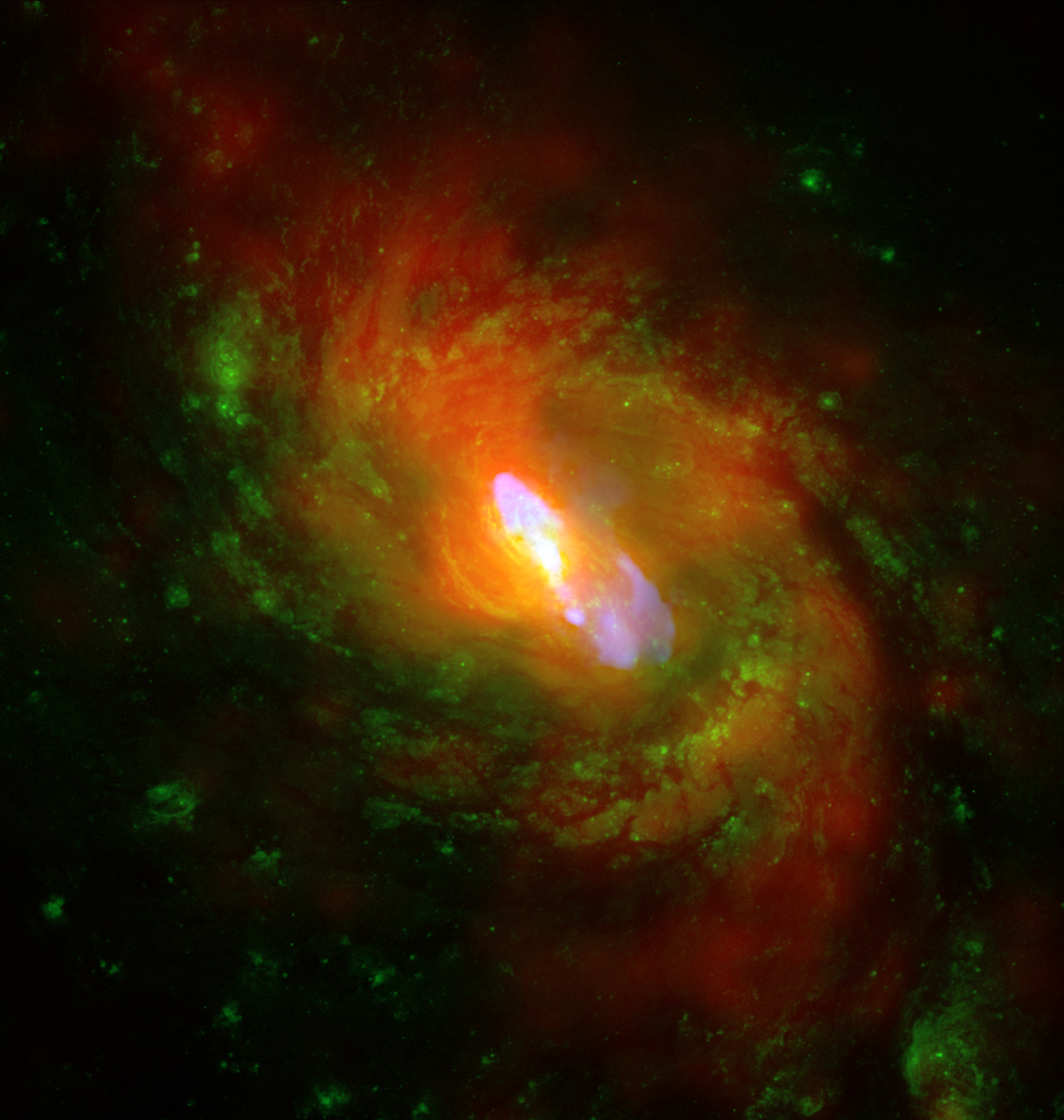
Multiphase AGN outflows
Compare highly ionized X-ray-emitting, warm ionized, and molecular gas to determine how different phases of an outflow are physically connected.
Explore multiphase outflows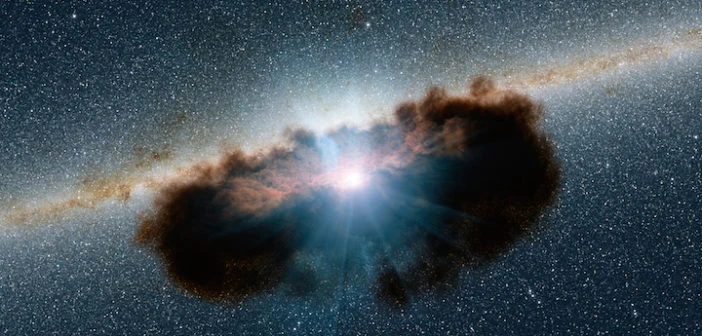
Obscured and compact active nuclei
Use spatially resolved X-ray and multiwavelength observations to probe heavily obscured accretion onto supermassive black holes and compact circumnuclear structures.
Explore obscured accretion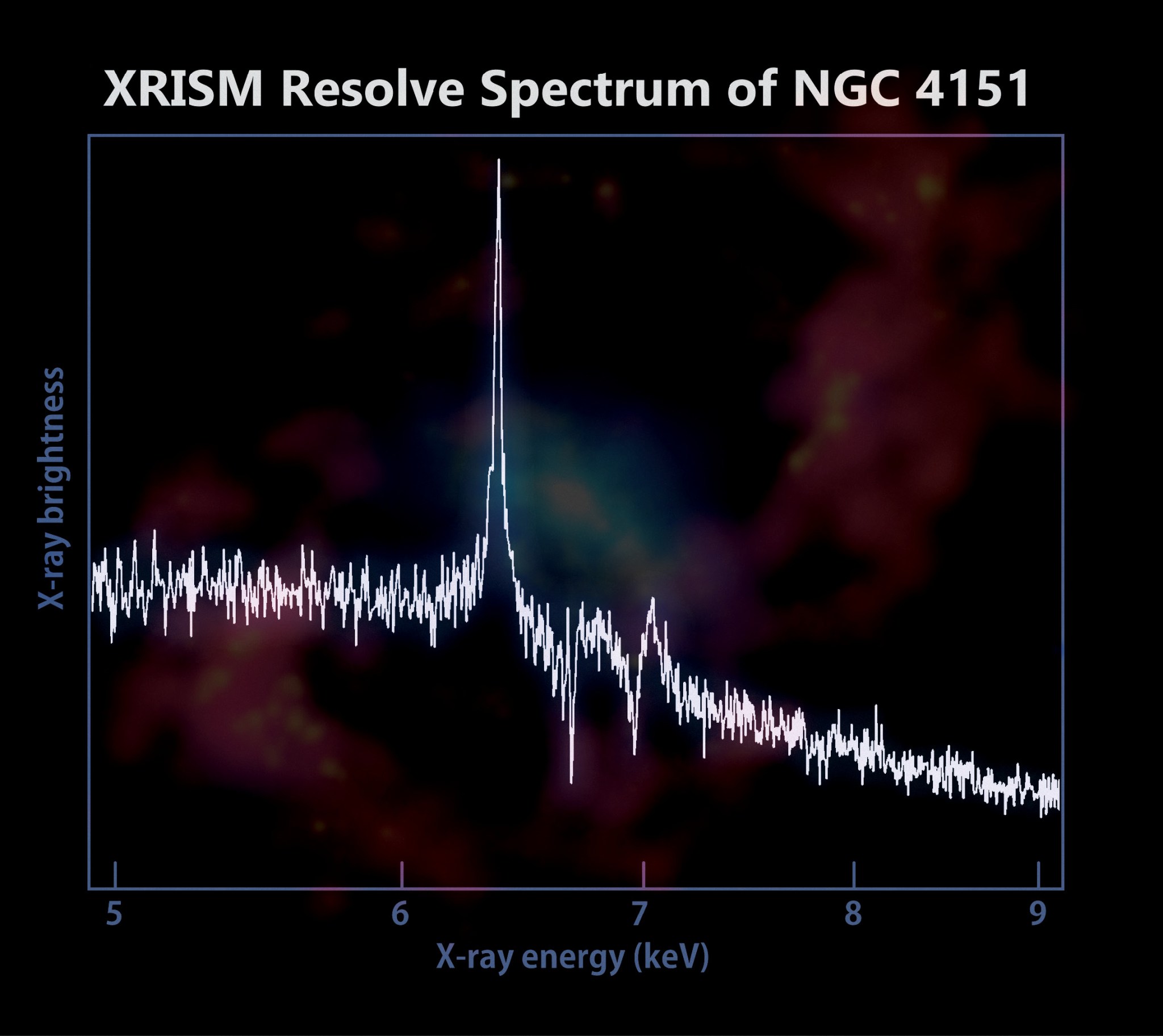
Imaging, spectroscopy, and physical modeling
Measure the ionization, energetics, and spatial distribution of faint gas while separating extended emission from the unresolved nucleus.
Explore imaging, spectroscopy, and modeling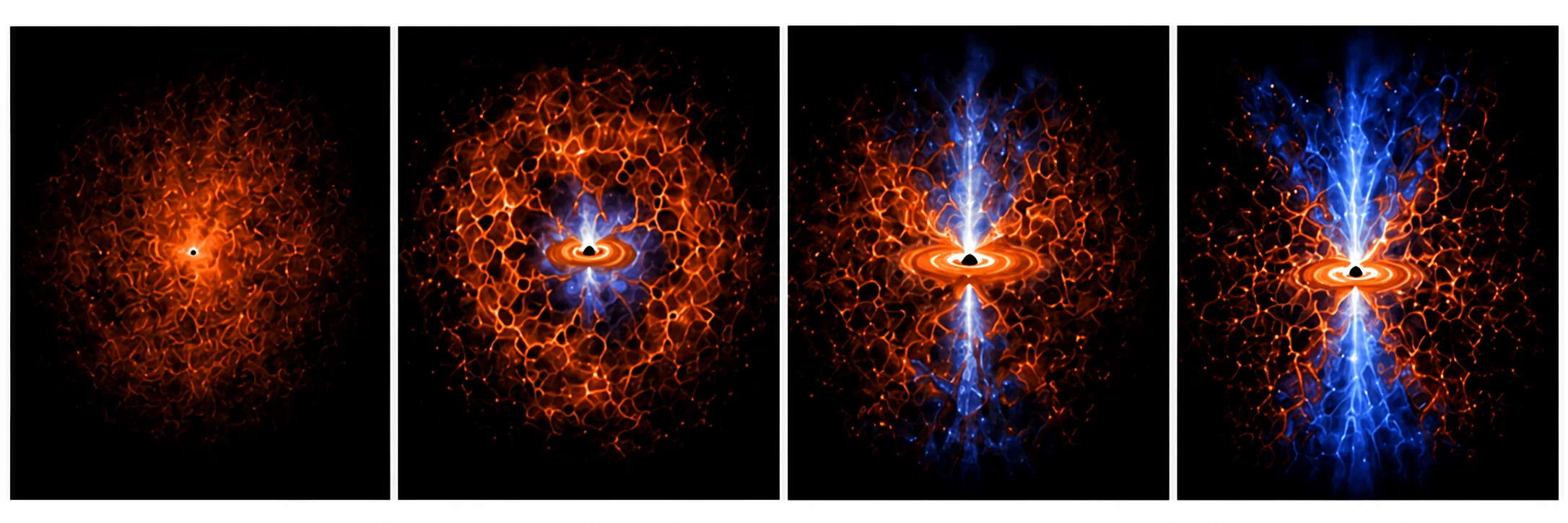
2026 · The Astrophysical Journal
Hot, photoionized X-ray gas in two luminous type 2 quasars
Chandra and Hubble observations reveal contrasting relationships between highly ionized X-ray-emitting and warm ionized gas in the two quasars, consistent with a possible sequence in wind-gas interaction.
About me
Spatially resolved multiwavelength AGN astrophysics
I use spatially resolved multiwavelength observations to study accretion onto supermassive black holes and trace multiphase outflows through highly ionized, warm ionized, and molecular gas from nuclear to galactic scales.